



Da Nang attracts investors from China, Taiwan, Korea and Japan for good reasons: a steady flow of visitors, a compact city and a coastline that keeps hotels, restaurants and nightlife busy. If your plan is a KTV, a music box or a karaoke bar lounge here, the question is who can take the idea from floor plan to opening night. This guide explains how professional karaoke design and construction in Da Nang works and what an overseas investor should check before signing.
Contents
- Why Da Nang suits karaoke and entertainment venues
- Choosing a format: music box, KTV or bar lounge
- The turnkey process, step by step
- 3D concept design and technical drawings
- Soundproofing and soundproof doors
- Acoustics, sound and lighting
- Coastal climate: humidity, ventilation and materials
- Fire safety (PCCC) and permits
- Furniture, finishes and operations
- Contracts, quotes and timeline
- FAQ
Why Da Nang suits karaoke and entertainment venues
Da Nang combines a resident population with a large number of domestic and international visitors, and many of them look for an evening activity after dinner. Karaoke fits that habit well: groups of friends, business hosts and tour guests all understand a private room with food, drinks and music.
For foreign investors the city also feels manageable. Distances are short, the airport is close to the centre, and many sites sit in hotels, commercial streets or mixed-use buildings where a floor can be converted into a venue. That convenience is exactly why design discipline matters: guests compare you with the venue next door within minutes.
Choosing a format: music box, KTV or bar lounge
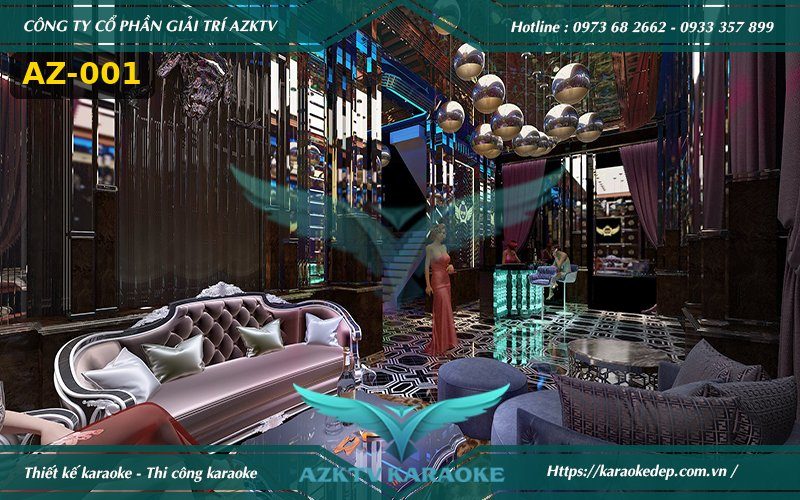
Decide what you are building before drawings start. A music box is a cluster of small, tightly soundproofed rooms for a handful of guests, where the door and wall build-up matter most. A full KTV adds larger VIP rooms, a reception area and a service corridor, so circulation and staff access become design problems. A karaoke bar lounge mixes an open bar zone with a few private rooms and needs zoning so that bar music does not leak into the rooms.
Each format changes the layout, the equipment list and the fire-safety approach. That is why we ask about target guests, opening hours and expected room mix at the first meeting. A venue for Korean or Chinese business groups, for instance, usually wants several VIP rooms with a clear host-and-guest seating layout, while a venue near hotels may prefer smaller rooms and quick turnover.
The turnkey process, step by step
AZKTV works as a single contractor from survey to handover, with more than 10 years of experience, over 500 projects and clients in more than 34 provinces. Our Da Nang office is at 119 Nguyễn Thị Cận, Cẩm Lệ. A typical project runs through five stages:
- Site survey: measuring the floor plan, ceiling height, structure, utilities and exit routes.
- Concept: choosing a style, colour palette and main materials for your target guests.
- 3D design: rendering each room so you can approve it before any wall is built.
- Technical drawings: soundproofing, electrical, lighting, ventilation and fire-safety details for the builders.
- Construction and handover: fit-out, installation, testing and acceptance with you on site.
Design and construction are contracted as two separate packages, so you can review the drawings before committing to the build. You can see our approach on the karaoke design and karaoke construction pages.
3D concept design and technical drawings
Choosing a style for your guests
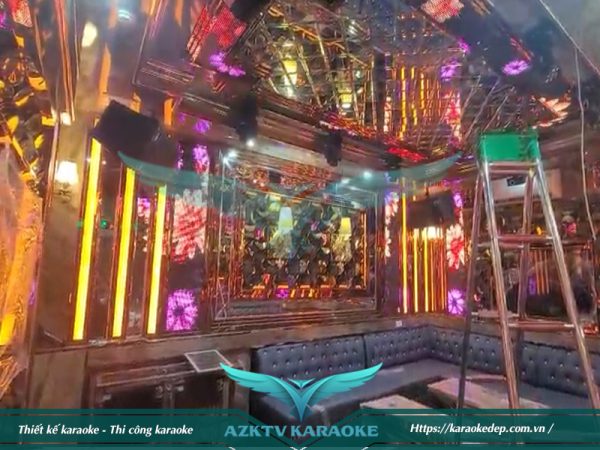
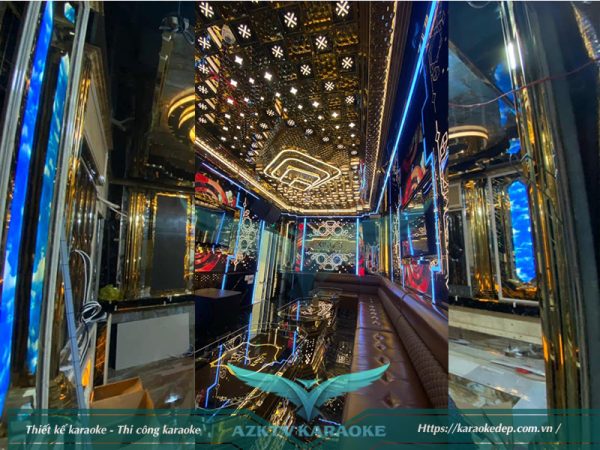
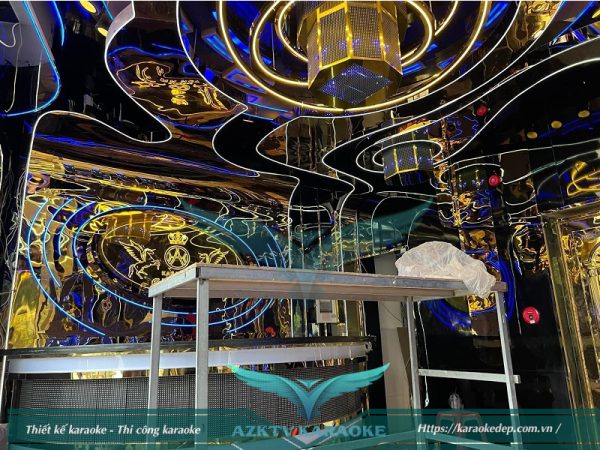
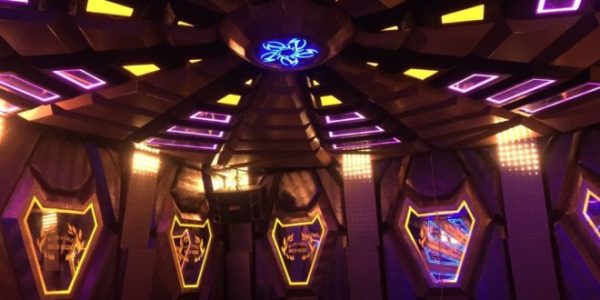
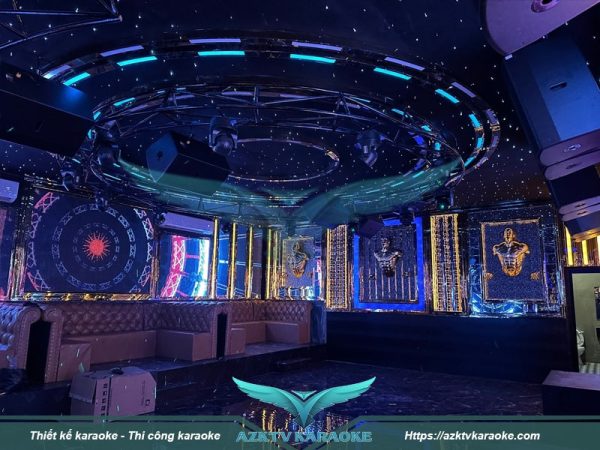
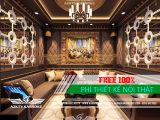
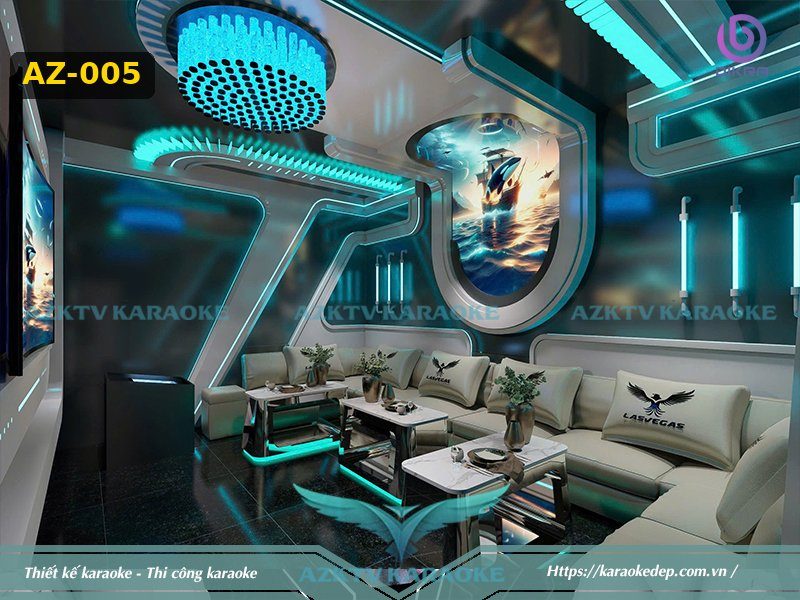
Black and gold reads as premium and ages well, which suits VIP rooms for business guests. Blue and white with LED lines feels fresher and suits groups who come to photograph the room. Pick one lead style per floor so the venue feels consistent from lobby to corridor, and let the 3D render settle colour and lighting questions before purchasing begins.
Drawings that builders can follow
The renders sell the idea, but the technical set controls the budget. It fixes wall build-ups, door positions, speaker locations, cable routes and ventilation, so there are fewer surprises on site and fewer disputes about what was included.
Soundproofing and soundproof doors
A beautiful room that leaks sound loses guests and invites complaints from neighbours, especially when your venue shares a building with a hotel or apartments. Good soundproofing combines several layers rather than one miracle material.
- Walls: multi-layer partitions with absorbing material between layers, with gaps and pipe penetrations sealed.
- Ceilings: a suspended acoustic ceiling, isolated from vibration where possible.
- Floors: a decoupled finish in upper-floor rooms to limit bass transmission.
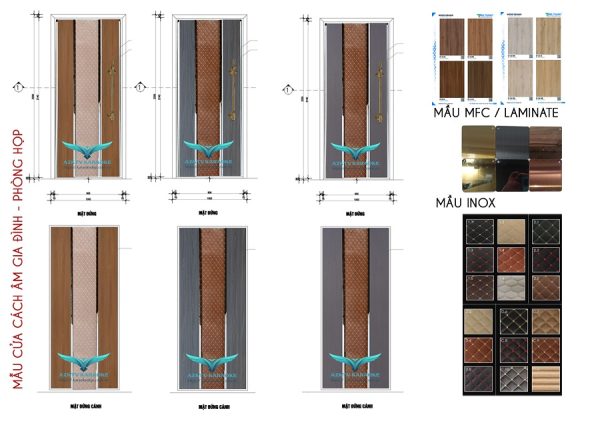
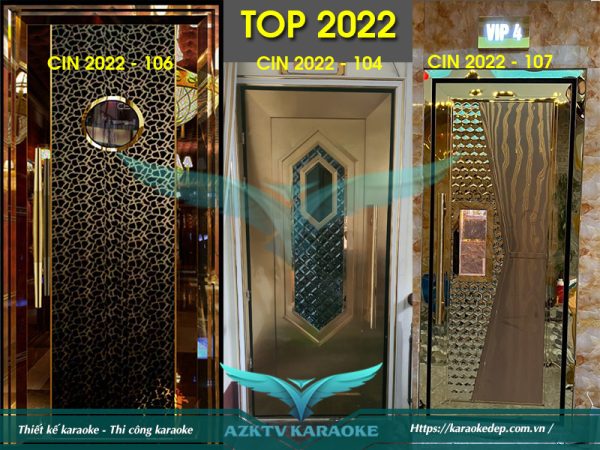
- Doors: a dedicated karaoke soundproof door with a dense core, full perimeter seals and a vision panel for staff.
The door is usually the weakest link in a music box, so give it its own line in the budget. Our soundproof door range covers standard and custom sizes.
Acoustics, sound and lighting
Rooms that are too square or too hard make voices boom. We shape the room, then place absorbers and diffusers before choosing equipment. For larger rooms plan several speakers plus a subwoofer, and use quality wireless microphones to reduce feedback.
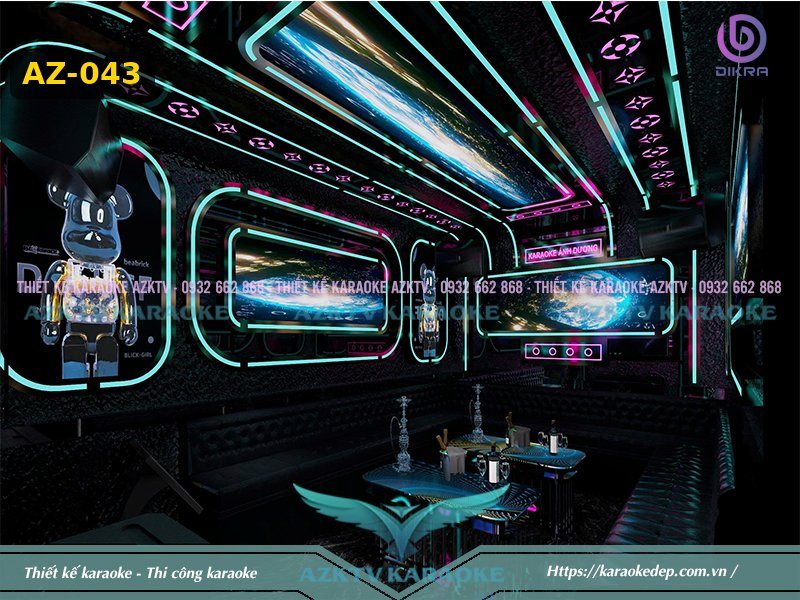
Lighting works in layers: soft base light, accent LED lines and effect lights that follow the music. Keep controls simple so that staff can run them on a busy night without a technician.
Coastal climate: humidity, ventilation and materials
Da Nang sits on the coast, so humidity and sea air should shape your material list. Closed karaoke rooms trap heat and moisture from guests, which makes air conditioning and fresh-air ventilation part of the soundproofing design, not an afterthought. Ducts and grilles must supply air without becoming a path for sound.
Choose finishes that resist moisture and are easy to wipe: sealed wood substitutes, washable wall coverings and metal parts with proper protection. Cheap panels can swell or mould in humid months, and replacing them means closing rooms. Ask every contractor which materials they plan to use behind the finish layer, not only on the surface.
Fire safety (PCCC) and permits
Karaoke is treated as a higher-risk business in Vietnam because of closed rooms, soundproofing and crowds. Fire prevention and fighting rules (PCCC) apply to the design, not just the final inspection. In practice this means non-combustible or fire-rated finishes where required, clear evacuation routes and signage, smoke and fire detection, extinguishers, and doors that staff can see through.
Requirements depend on the building and venue size, so we confirm them at the survey and reflect them in the drawings. Always check current rules with the competent authority for your specific site, and plan time for inspections in your opening schedule.
Furniture, finishes and operations
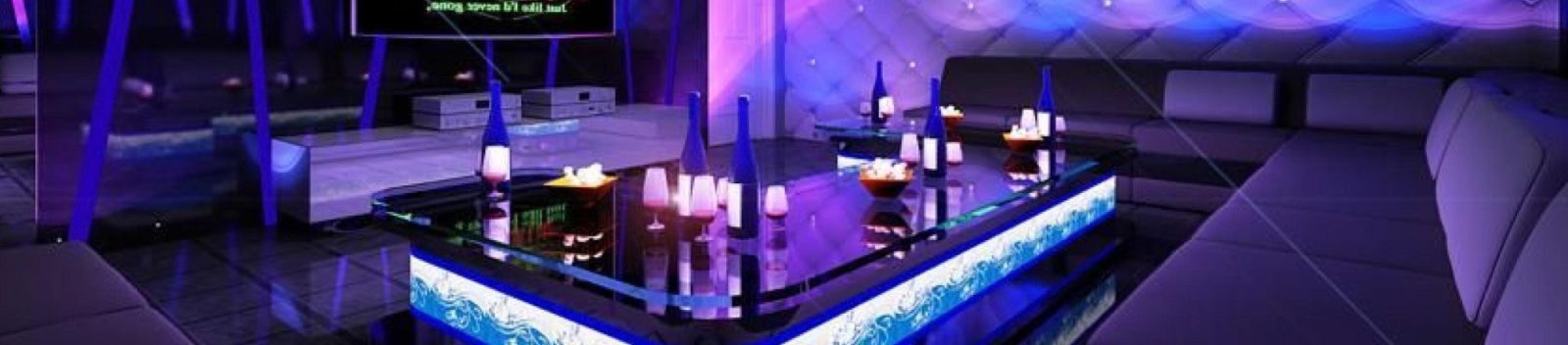
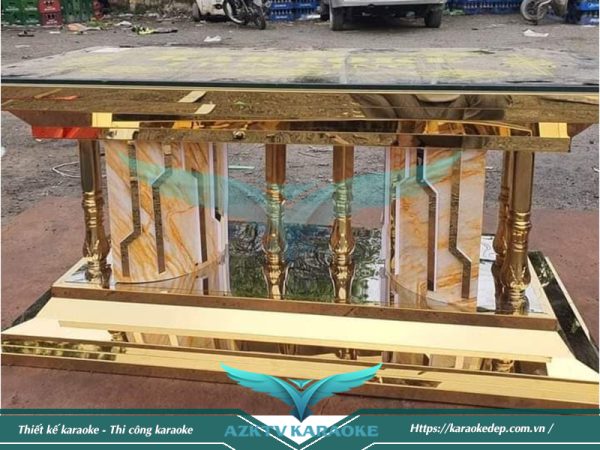
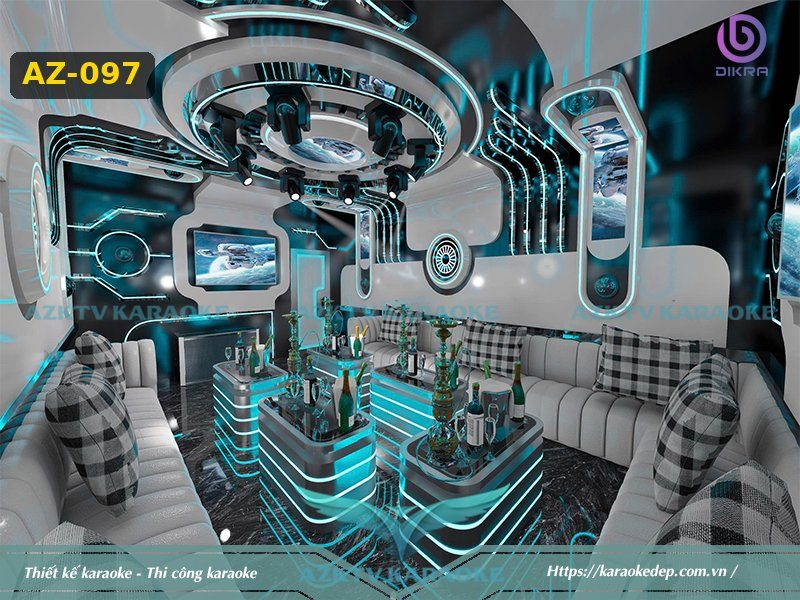
Sofas, tables, wall panels and flooring should be easy to clean and durable under heavy use. Leather or technical-fabric sofas, tables sized for drinks and snacks, and washable wall finishes keep maintenance low. AZKTV also produces karaoke tables and coordinates furniture with the room design so that colours and dimensions match the renders.
Think about operations while you design: where waiters enter, where trays are stored, how a drunk guest is escorted out quietly, and where cleaning equipment lives. A good plan makes the venue easier to run with a small team, which matters when you manage it from abroad.
Contracts, quotes and timeline
AZKTV contracts design and construction separately. Prices are quoted per project because they depend on area, room count, materials and equipment; we do not publish a standard price per square metre. To receive a proposal, send the floor plan, ceiling height, the number and type of rooms you want, and your target guests. Overseas investors can start by phone or email, and the team can discuss drawings remotely before you travel for a site visit.
Before signing with any contractor, ask for the scope in writing: which drawings are included, which materials are named, who handles fire-safety documents, how acceptance works and what the warranty covers.
FAQ
Can foreign investors work with AZKTV in Da Nang?
Yes. Contact us by phone or email with your plan. Communication in English is possible, and our Da Nang office is at 119 Nguyễn Thị Cận, Cẩm Lệ.
Do you provide design only, or construction too?
Both, under two separate contracts. You may start with design and decide on construction after reviewing the drawings.
How do you handle soundproofing in a hotel or mixed-use building?
We review the structure at the survey, then design multi-layer walls, a suspended ceiling and a karaoke soundproof door with full seals, and treat ventilation paths so sound does not escape through them.
Is fire safety included in the design?
Yes, PCCC requirements are reviewed at survey and built into the technical drawings. Final approval is with the competent authority.
How can I get a quote?
Send the floor plan and brief to thietke@karaokedep.com.vn or call 0932 662 868. We will reply with a first layout proposal.
Contact AZKTV for your Da Nang project
- Hotline: 0932 662 868 (additional line 0933 357 899)
- Email: thietke@karaokedep.com.vn
- Da Nang office: 119 Nguyễn Thị Cận, Cẩm Lệ, Da Nang
- Hanoi office: 4th floor, 25 Vũ Ngọc Phan, Đống Đa, Hanoi
- Ho Chi Minh City office: A93 Tô Ký, District 12
Send your floor plan and a short brief by phone or email, and the AZKTV team in Da Nang will come back with a first layout proposal.